The United Nations has adopted a resolution on the Rohingya crisis by a large majority, with 128 countries casting votes in favour. Domestic media outlets Bangladesh Pratidin and Kaler Kantho confirmed the passage of the resolution at the UN General Assembly. Kaler Kantho reported the tally of countries voting in favour, while Bangladesh Pratidin described the outcome as adoption "by an overwhelming vote."
"Resolution adopted at the UN, 128 countries in favour" was the headline carried by Kaler Kantho.
The two reports did not show any material discrepancy in their accounts. Such resolutions are brought annually at the General Assembly on the initiative of member states of the Organisation of Islamic Cooperation (OIC), with Bangladesh lending its active support.
Core basis of the resolution
The annual UN resolutions reaffirm the commitment to the safe, dignified and sustainable return of the Rohingya to Myanmar's Rakhine State and call for accountability for human rights violations. They also address questions of citizenship, freedom of movement and fundamental rights.
The General Assembly has adopted this series of resolutions consistently since the crisis intensified in 2017. Although General Assembly resolutions are not legally binding, they are regarded as an important political indicator of international support.
Context: repatriation stalled for eight years
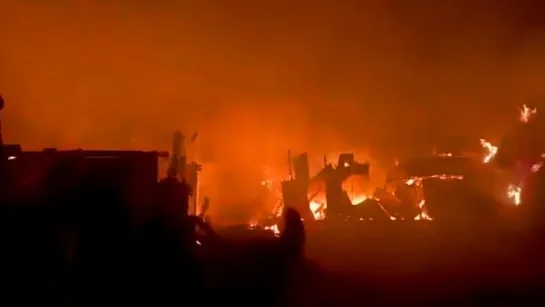
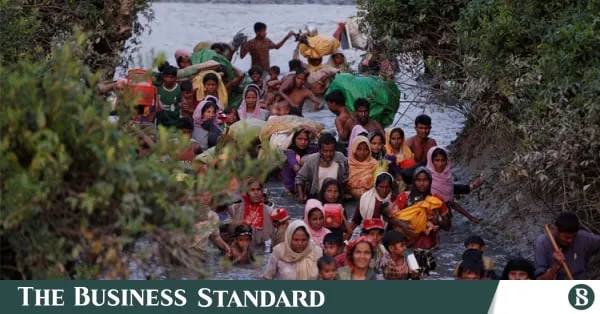
Hundreds of thousands of Rohingya fled Myanmar to Bangladesh following military operations in Rakhine State on 25 August 2017. More than one million Rohingya now remain in camps in Cox's Bazar and on Bhashan Char island, where thousands have been relocated. New arrivals have also been reported recently amid ongoing conflict in Rakhine State.
Multiple repatriation attempts have failed to produce results, with the absence of guarantees on citizenship and security from Myanmar cited as the principal obstacle. Humanitarian funding for the camps has declined, adding financial strain to camp management. Bangladesh has repeatedly stated that a lasting solution is possible only through the dignified return of the Rohingya to their homeland.
Significance of the vote
Observers say the support of 128 countries demonstrates that broad international consensus endures on the questions of Rohingya repatriation and accountability. The outcome provides Bangladesh and the OIC with additional political footing to intensify diplomatic pressure on Myanmar. At a time when repatriation has been stalled indefinitely, the vote carries a timely message of backing for Dhaka's diplomatic efforts.
Next steps
The principal challenge following adoption lies in implementation. Dhaka expects the result to help energise the repatriation process and secure adequate financing for camp management. Actual progress, however, will depend on Myanmar's internal political situation and sustained follow-up by the international community.