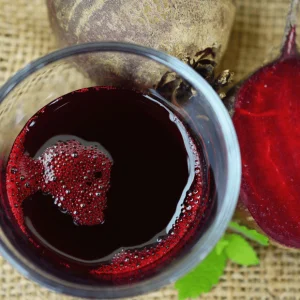
Adding beetroot to your daily diet could bring a range of positive changes to your body. Nutritionists say this deep-red root vegetable is packed with essential vitamins, minerals, and antioxidants that can play a significant role in overall health.
One of the most discussed benefits of beetroot is its ability to help regulate blood pressure. The nitrates present in beetroot convert into nitric oxide in the body, which helps dilate blood vessels and improve blood flow. Studies have shown that this can potentially reduce the risk of hypertension.
A nutrient-dense vegetable
Beetroot contains notable amounts of folate, potassium, manganese, iron, and vitamin C. Folate is essential for cell growth and function, making it particularly important for pregnant women. Iron, on the other hand, aids in the production of hemoglobin, which can help prevent anemia.Additionally, beetroot contains betalain, a powerful antioxidant that fights harmful free radicals in the body. This antioxidant may help prevent cellular damage and reduce the risk of chronic diseases over time.
Role in digestion and performance
Being rich in dietary fiber, beetroot aids digestion and supports gut health. Including it regularly in meals may also help alleviate constipation.Research has also indicated that consuming beetroot juice before exercise can enhance physical performance. The nitrates in beetroot improve oxygen utilization in muscles, leading to reduced fatigue and increased endurance.
How to incorporate beetroot
Beetroot can be consumed raw, boiled, roasted, or added to salads. Juicing is also a popular method of intake. However, health experts advise individuals with kidney stones or high blood potassium levels to consult a doctor before adding beetroot to their diet.Overall, beetroot can be an accessible and nutritious addition to a balanced diet. However, any dietary change should be made considering individual health conditions.