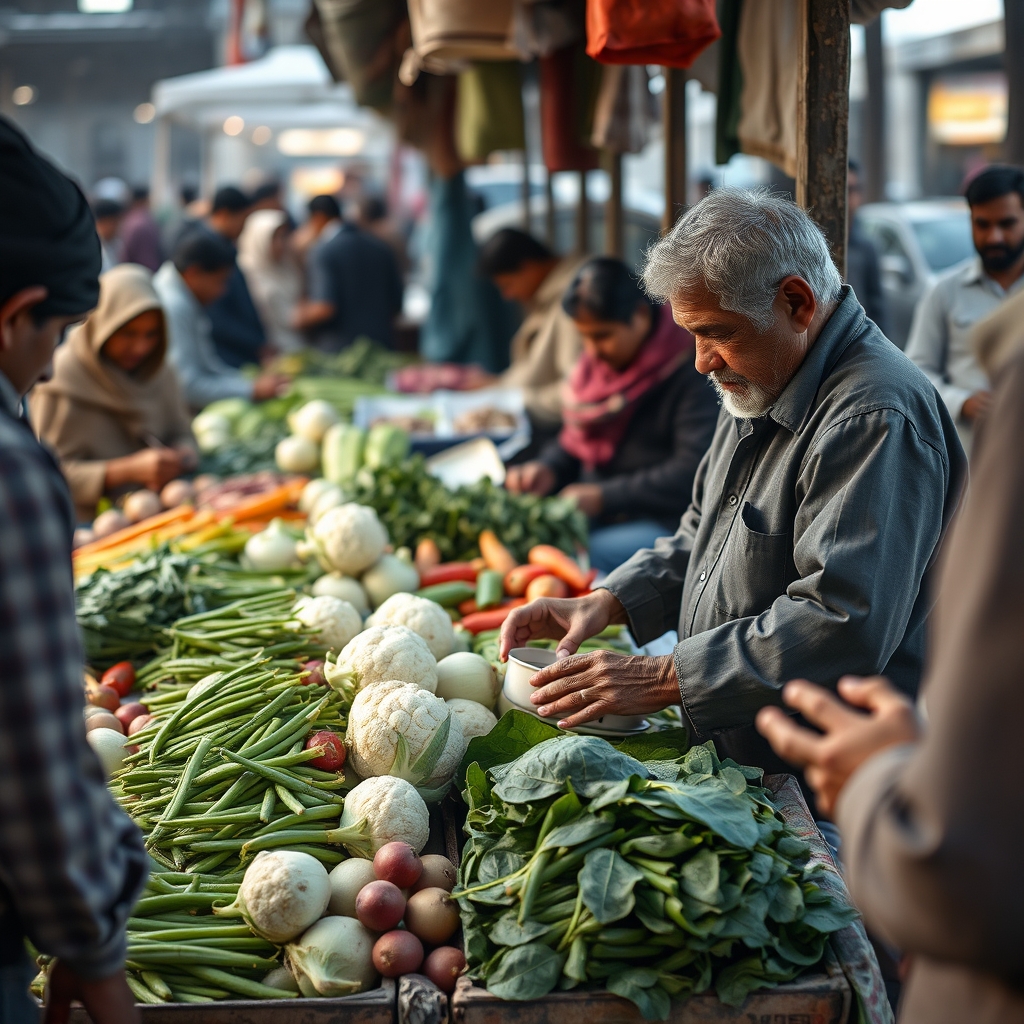
Fresh winter vegetables have begun arriving in markets across Bangladesh as the first signs of the season set in. Vegetable vendors, known locally as "gachhi", are spending their days sorting, arranging and selling the new harvest.
At the same time, sweet potato, one of the season's most popular foods, is finding a place on winter food lists for its taste and nutritional value. Two recent reports published by national daily Jugantor capture this seasonal picture.
Winter is the peak vegetable season in Bangladesh. Between the Bengali months of Agrahayan and Magh, the variety of vegetables in the market reaches its highest, and increased supply generally brings prices of most items down.
Seasonal produce grown in farmers' fields, including those of the northern districts, reaches the markets of Dhaka and other major cities. Beans, cauliflower, cabbage, radish, tomato, carrot and a range of leafy greens are widely available during this period.
Busy vendors herald winter
Jugantor published its report under the headline, "Winter's arrival message in the busyness of vegetable vendors." The report reflects the current reality of the marketplace, where the first message of winter now comes from the vegetable stalls. Vendors are occupied through the day with sorting fresh produce, arranging it for sale and setting prices, while customer crowds grow at the market.
At the start of the season, the supply of new crops remains limited and prices of many vegetables stay relatively high, with a tendency for prices to ease as the season peaks. Still, buyers select carefully to obtain the first fresh harvest of the year. The appeal of winter vegetables differs from other times of the year because of their taste and freshness, and this variety sets the winter market apart from other seasons.
Sweet potato on the winter menu
A separate Jugantor report was published under the headline, "Why you should keep sweet potato on your winter food list." The report explains the reasons for including sweet potato in winter diets. Nutritionally, sweet potato is considerably rich: it contains natural dietary fiber and beta-carotene, which the body converts into vitamin A, along with vitamin C and potassium.
Being rich in complex carbohydrates, the food keeps hunger in check for long periods and provides energy on cold days. Fiber-rich foods are also considered helpful in maintaining healthy digestion. However, because sweet potato contains natural sugars, moderation is advised for people with diabetes.
A different taste in the kitchen
Boiled, mashed, fried or used as an ingredient in pithas, sweet potato has long been a favorite in Bengali cooking. Although available throughout the year, demand for sweet potato rises in winter, and its relatively affordable price makes it an accessible source of nutrition for ordinary households. Demand for boiled sweet potato with tea or sugar-free chips also increases during the season.
Bean fry, cauliflower curry, radish pitha and a variety of leafy vegetable dishes give winter cooking a distinct taste, one that differs from the food of other times of the year.
The days ahead
The supply of vegetables from the fields is expected to rise further as winter deepens, and the produce is likely to reach buyers at comparatively lower prices. The message of the two reports is consistent: the main season for enjoying the distinct taste of winter vegetables has now begun, and adding fresh seasonal produce to the food list is the practical advice of the time.