The United States Congress is intensifying efforts to curb the export of advanced artificial intelligence chips to China, casting fresh uncertainty over Nvidia's access to the Chinese market. Republican lawmakers are seeking to attach AI chip export restrictions to the annual defense bill, a Senate aide confirmed, a move that could severely disrupt shipments to China.
FactaGrid
https://factagrid.com
Technology
13 November 2026, 5:38 PM
Technology
China's access to Nvidia chips in doubt as US Congress moves to tighten AI export curbs
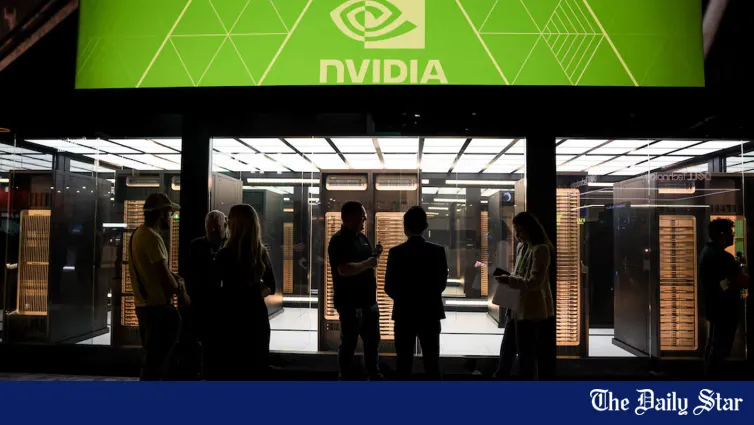
The US Congress is advancing efforts to restrict AI chip exports to China, threatening Nvidia's supply chain amid growing bipartisan pressure. The move follows revelations that a Chinese university with deep military ties purchased Nvidia's H200 chips last month despite being on the US blacklist.
13 November 2026, 4:03 PM
|
2 min read
Listening...
China's access to Nvidia chips in doubt as US Congress moves to tighten AI export curbs
০০:০০
/
০০:০০
Sources Used
📚 This report is synthesized from the following sources:
Th
The Daily Star
View original article →
Th
The Daily Star
View original article →Leave a comment
Be the first to comment.