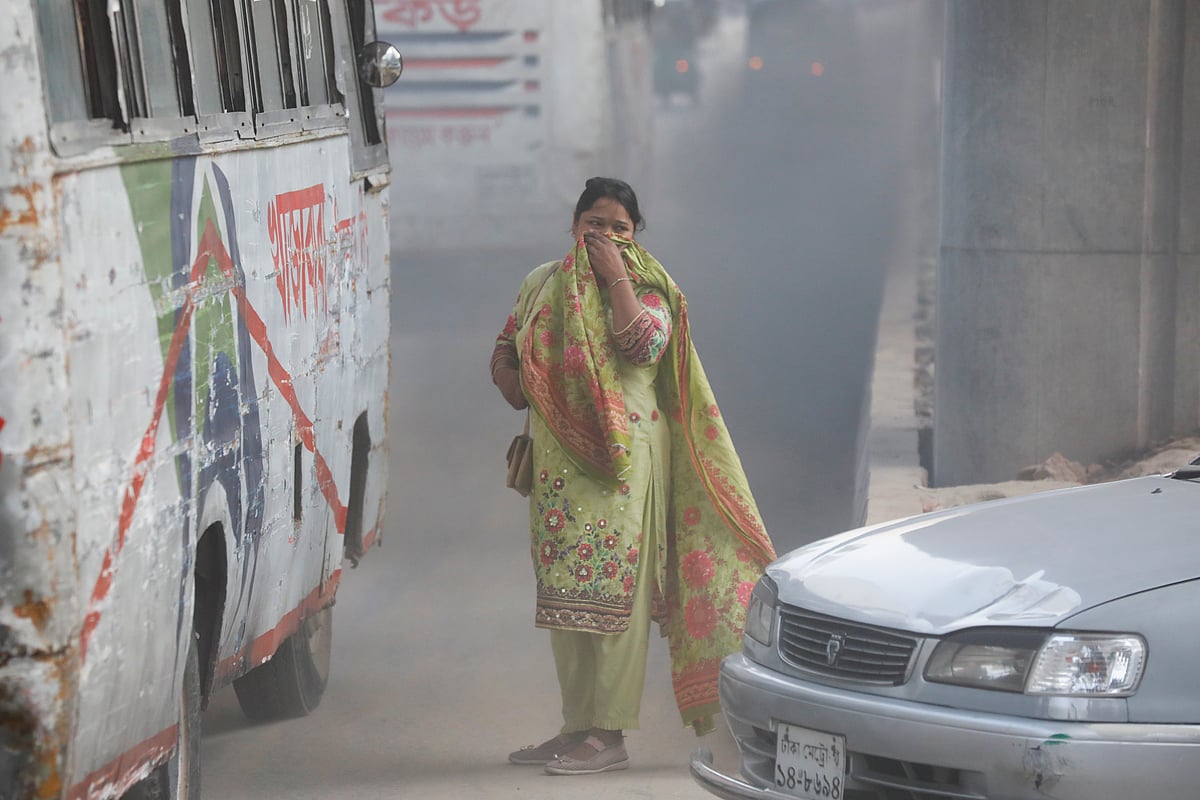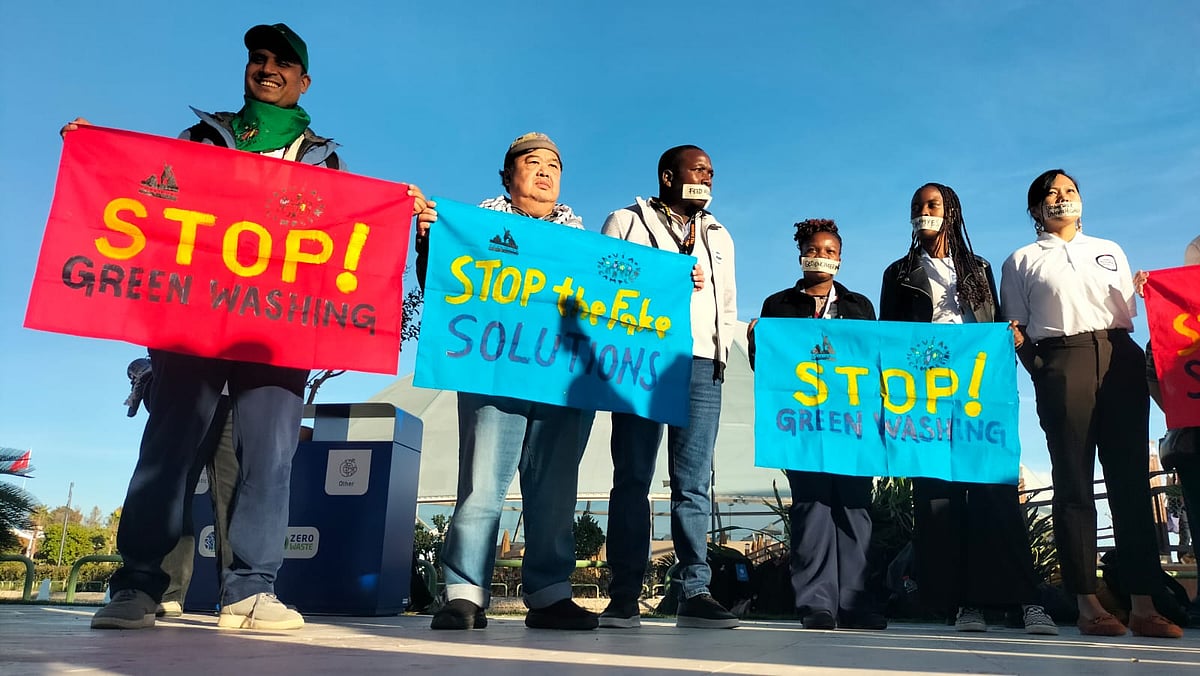
As the United Nations climate summit (COP31) gets underway in Antalya, Turkey, the Bangladeshi delegation is showcasing the country's experience in disaster management while demanding international funding for loss and damage. The presence of Prime Minister Tareq Rahman at the conference is seen as significant in amplifying Bangladesh's position.
Success in Disaster Preparedness
A single example illustrates Bangladesh's experience in coping with climate disasters. A family heeds a cyclone warning, takes shelter, and survives.
Upon returning, they find their home washed away, ponds contaminated with saltwater, and farmland no longer yielding as before. The initial success is an achievement of Bangladesh's disaster preparedness.
However, the question of who bears the cost of the subsequent losses remains a central issue in international climate politics.
Loss and Damage Fund Commitments
Discussions at the summit are also focusing on the effectiveness of the international loss and damage fund. Namaraj Silwal, head of Nepal's Social Work Institute, stated that Nepal has received a commitment of USD 20 million from the UN climate loss and damage fund following devastating floods and landslides last August. Silwal was unable to attend the summit in person.
Demand for Climate Justice
Rights activists from various countries are demanding climate justice at the conference. The discussions also recalled the August 2008 floods and landslides in Nepal, which forced 50 families of the Magar indigenous community in Khairala village, Kailali district, to leave their ancestral homes and seek refuge in Bategada.
The context of Bangladesh was also evoked with the tragic events of July 20, 2008. Following heavy rainfall, the Kalapahar hills in northeastern India collapsed at the Tahirpur border in Sunamganj. Within moments, acres of cropland, ancient villages, and places of worship were buried under sand.
Bangladesh's Position
At COP31, Bangladeshi representatives are highlighting their country's success in disaster preparedness while demanding adequate financing from developed nations for climate-induced damages. The presence of Prime Minister Tareq Rahman is expected to strengthen this position. As observers note, a single question encapsulates Bangladesh's experience at the summit: after saving lives from a disaster, who is responsible for the cost of rebuilding?