Ahead of World Diabetes Day, health experts and policymakers in Bangladesh are focusing on the country's diabetes burden, emphasizing the need for comprehensive surveillance and preventive strategies. The World Health Organization's STEPS survey, which assesses risk factors for non-communicable diseases, has emerged as a key reference point in these discussions.
Significance of the STEPS Survey
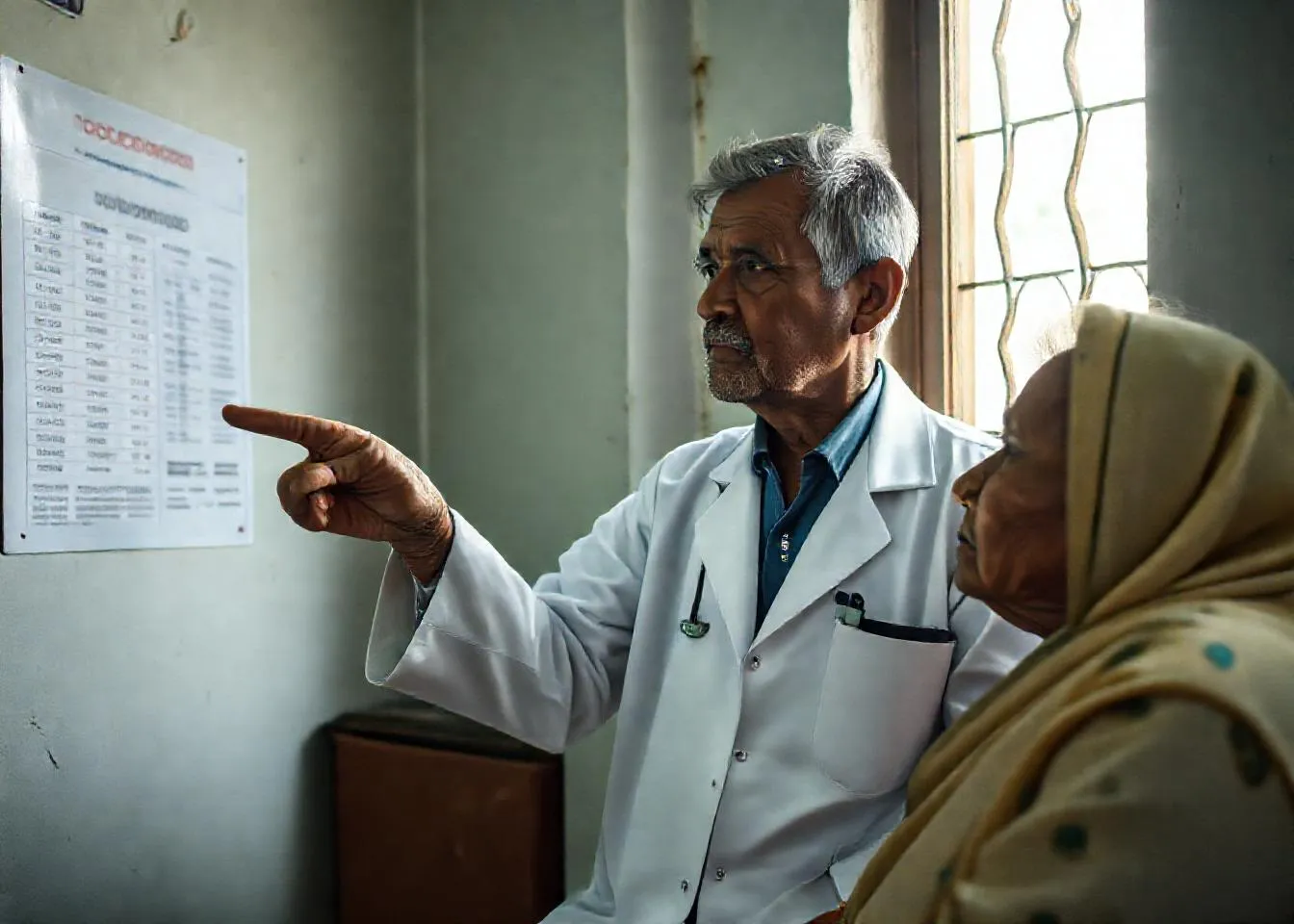
The STEPS survey is considered a vital repository of information for gauging the prevalence of diabetes, hypertension, and other non-communicable diseases among Bangladesh's adult population. Recent deliberations have centered on using the survey's findings to formulate effective prevention and control measures.Experts believe that analyzing STEPS data can help determine the disparity in disease prevalence between rural and urban areas. This, in turn, could guide public health policy and resource allocation, ensuring that interventions are targeted where they are needed most.
Diabetes Testing and Awareness Campaigns
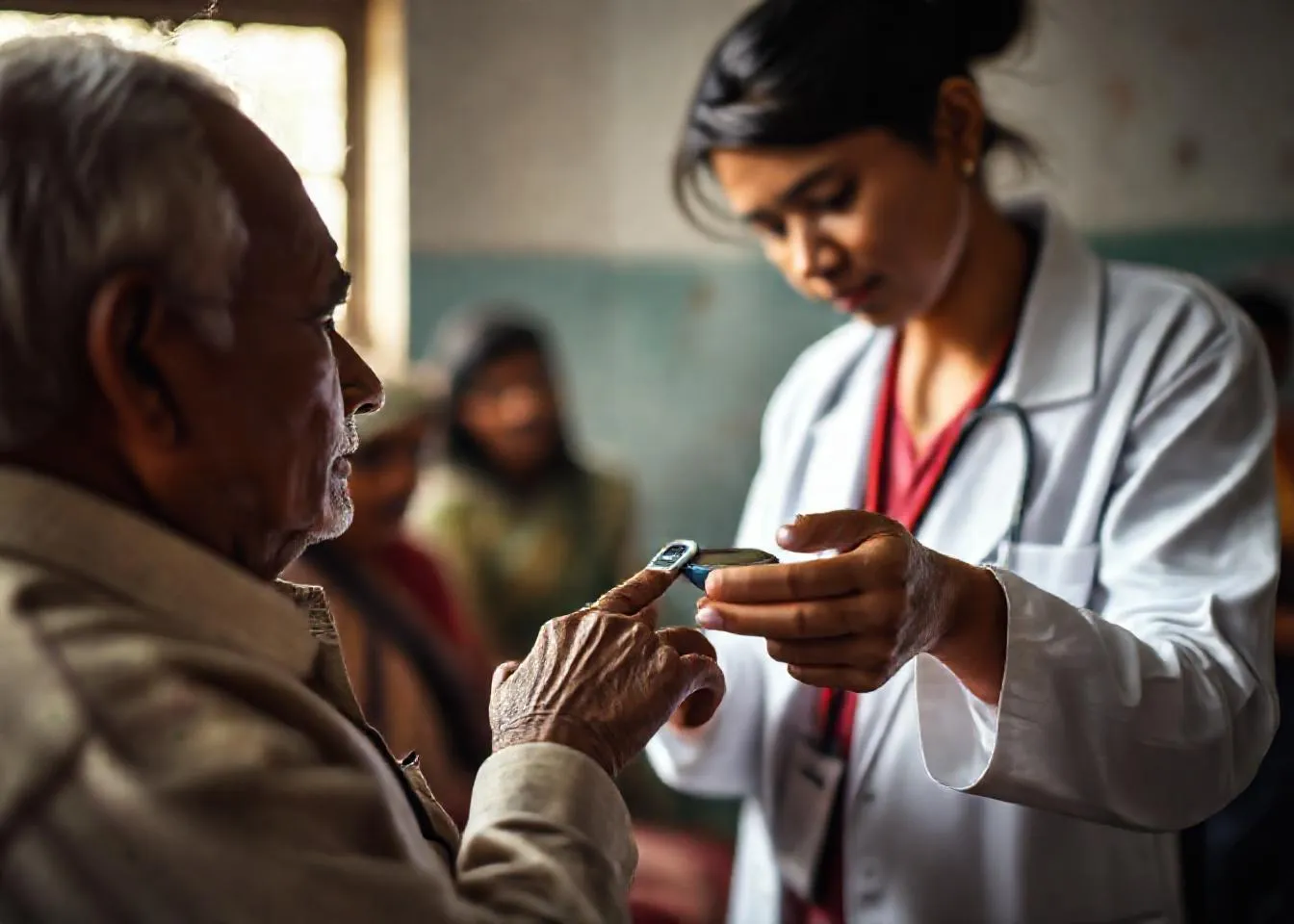
Marking World Diabetes Day, various health organizations and clinics across the country have arranged free diabetes screening and counseling sessions. Physicians stress that regular blood glucose testing is critical for early detection, which can significantly reduce the risk of complications.The Directorate General of Health Services has stated that efforts are underway to expand modern testing facilities at healthcare institutions, with a particular focus on making diabetes tests more accessible at the upazila (sub-district) level health complexes.
Market Prices and Impact on Patients
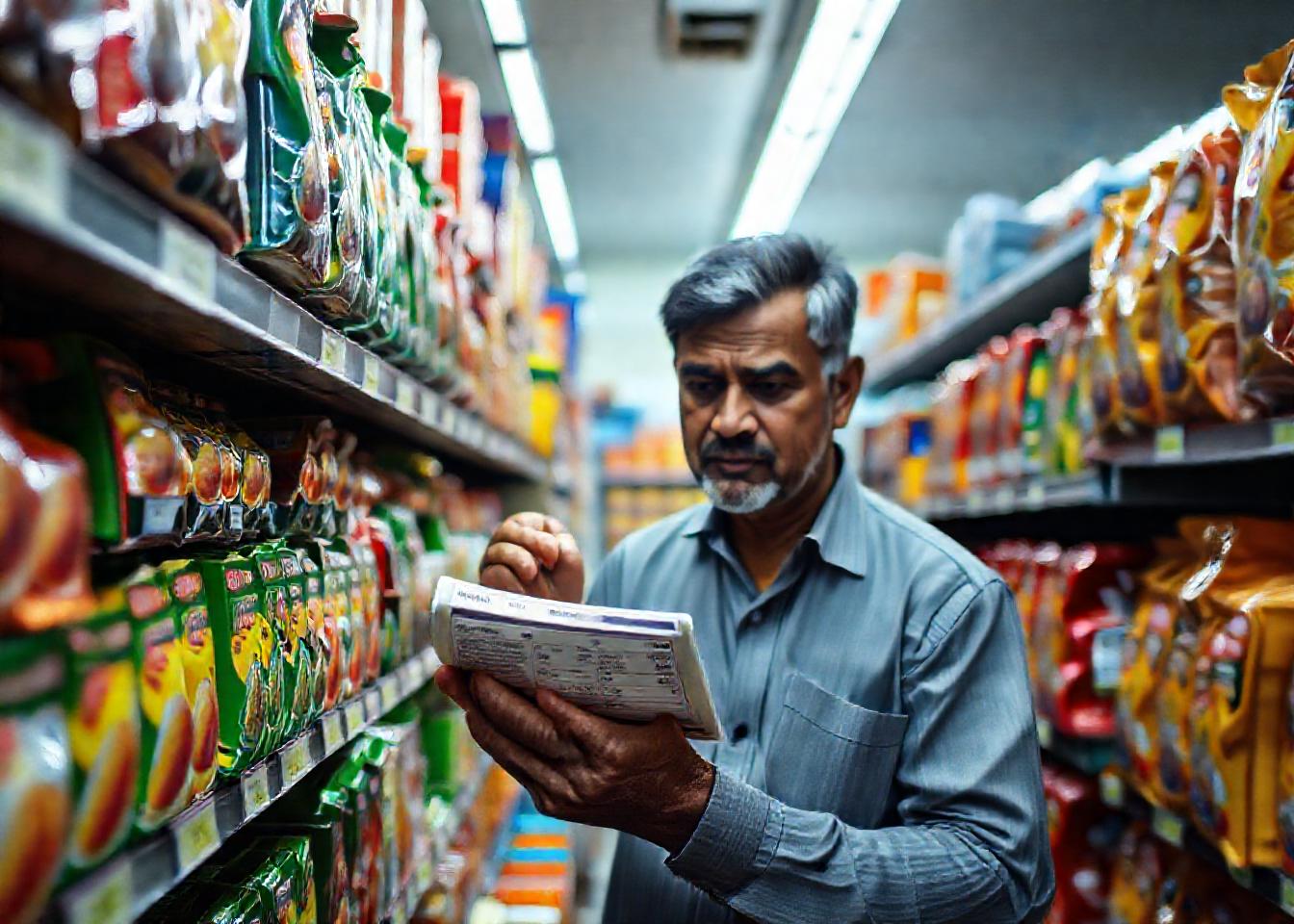
Meanwhile, an analysis of market prices in Dhaka indicates that fluctuations in the cost of essential commodities could impact the dietary habits and treatment expenses of diabetes patients. Health experts note that while a balanced diet is essential for managing diabetes, inflation is making it increasingly difficult for low-income patients to afford nutritious food.Analysts suggest that ensuring food security and purchasing power is as crucial as medical treatment in the fight against diabetes. They have called upon both the government and private organizations to step forward in this regard.
Future Steps
Discussions on World Diabetes Day have underscored the need for a comprehensive national strategy to control diabetes in Bangladesh. Key components include raising public awareness, strengthening early diagnosis, improving the quality of care, and ensuring affordable access to medication and food for patients.Health experts assert that regularly updating data through surveys like STEPS will enable the formulation of effective policies for diabetes prevention. They also emphasize that creating a supportive environment for patients requires participation from all segments of society.