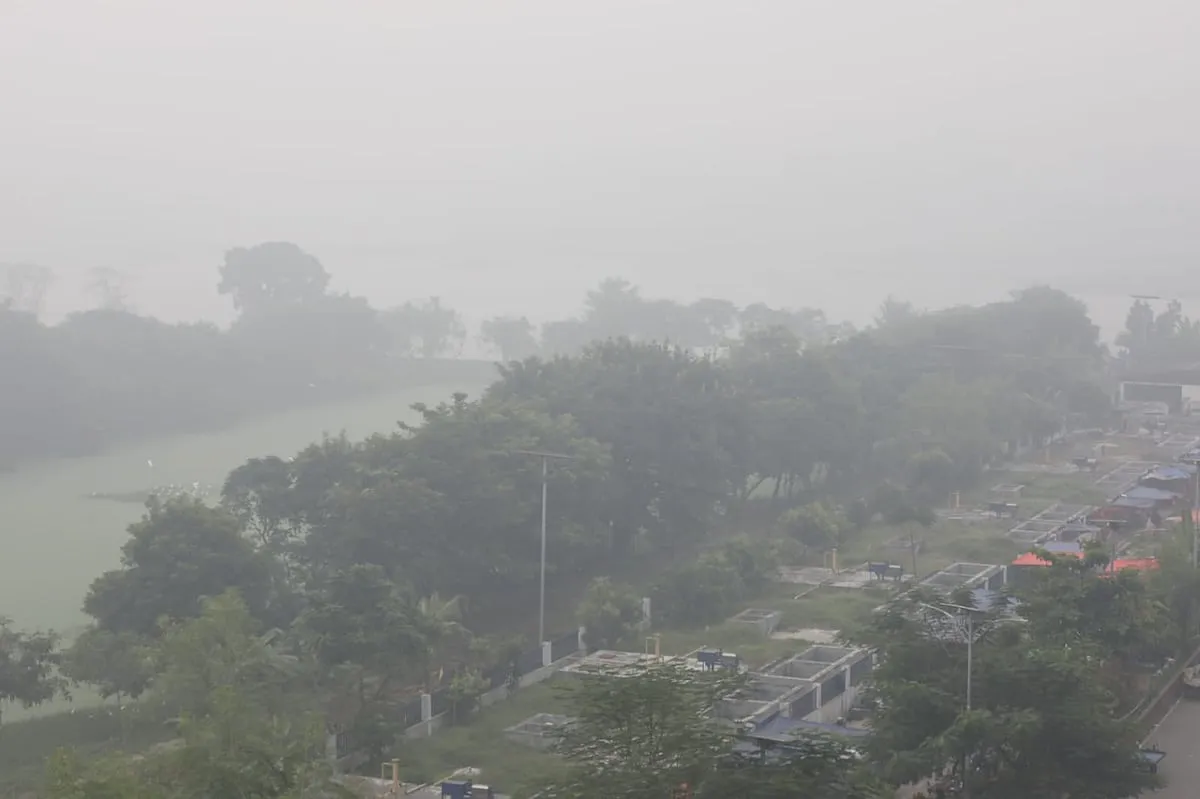
Dhaka's air quality slipped into the hazardous category on Tuesday (17 November), pushing the capital to the top of the global daily ranking of the world's most polluted cities. Meanwhile, India's capital Delhi is also grappling with severe air pollution, where half of government employees have been ordered to work from home to cope with the crisis.
Seasonal spike in winter pollution
Air quality in the capital typically deteriorates sharply during the dry season from November to February, when construction dust, exhaust from vehicles, brick kilns and industrial emissions combine with an absence of rainfall. Stagnant winter air prevents pollutants from dispersing, allowing harmful particles to linger for days. During these months, Dhaka and Delhi routinely trade places at the top of daily global pollution rankings.
Delhi also reeling, staff told to work from home
Air pollution in Delhi has taken such a severe turn that half of all government employees have been instructed to work from home, the Samakal newspaper reported.
"Amid severe air pollution, half of government employees have been ordered to work from home," Samakal reported.
No comparable administrative directive had been announced for Dhaka as of the time of filing this report.
Rain forecast offers limited hope of relief
The Meteorological Department on Monday issued a forecast on the likelihood of rain in Dhaka, Bangladesh Pratidin reported. Rainfall can temporarily wash down airborne dust and lower pollution levels, though such improvement rarely lasts long in the dry season. Any sustained recovery in the capital's air will depend on rainfall and broader weather conditions.
Health risks and precautions
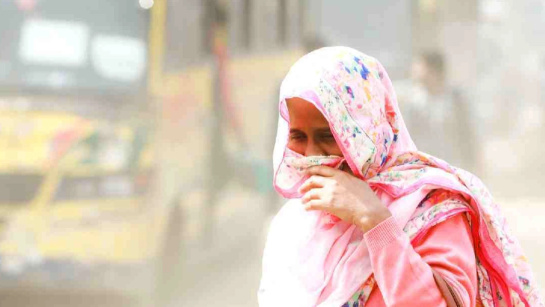
An air quality index reading in the hazardous range, which generally begins at 301, is considered a risk to people of all age groups. Children, the elderly and people with respiratory conditions are the most vulnerable, with prolonged exposure raising the likelihood of breathing difficulties, aggravated asthma and inflammation of the respiratory tract. Physicians generally advise avoiding unnecessary outdoor activity and wearing masks during such episodes.
No fresh measures to control air pollution in Dhaka had been announced as of filing this report.