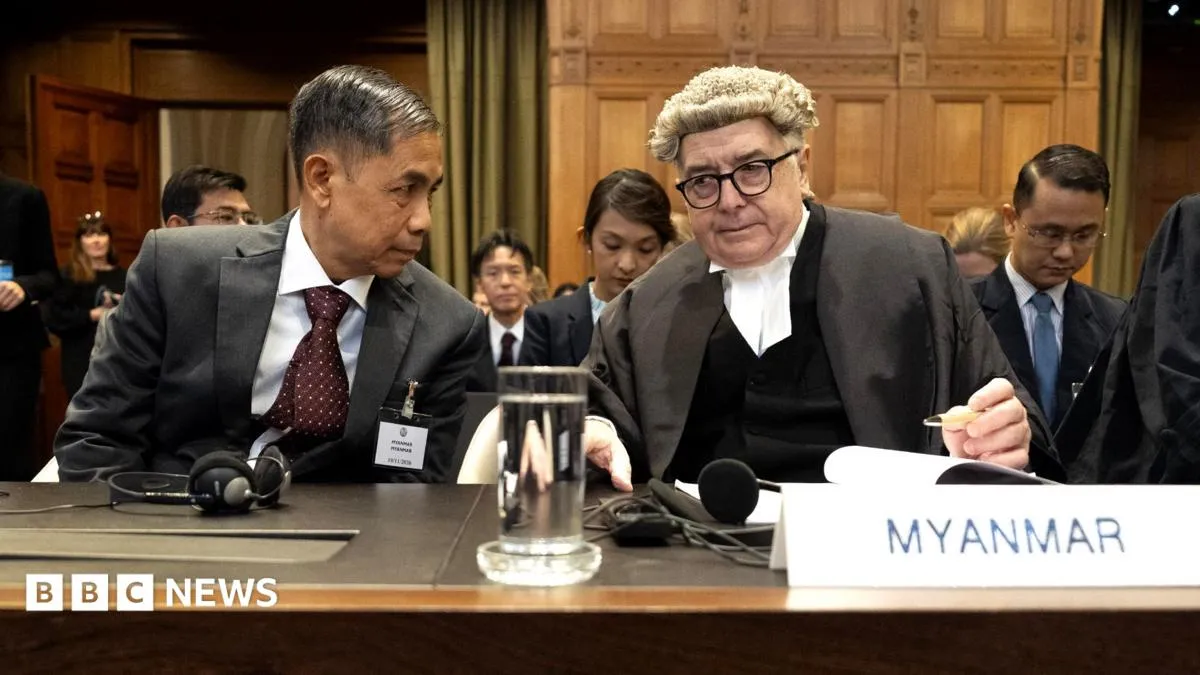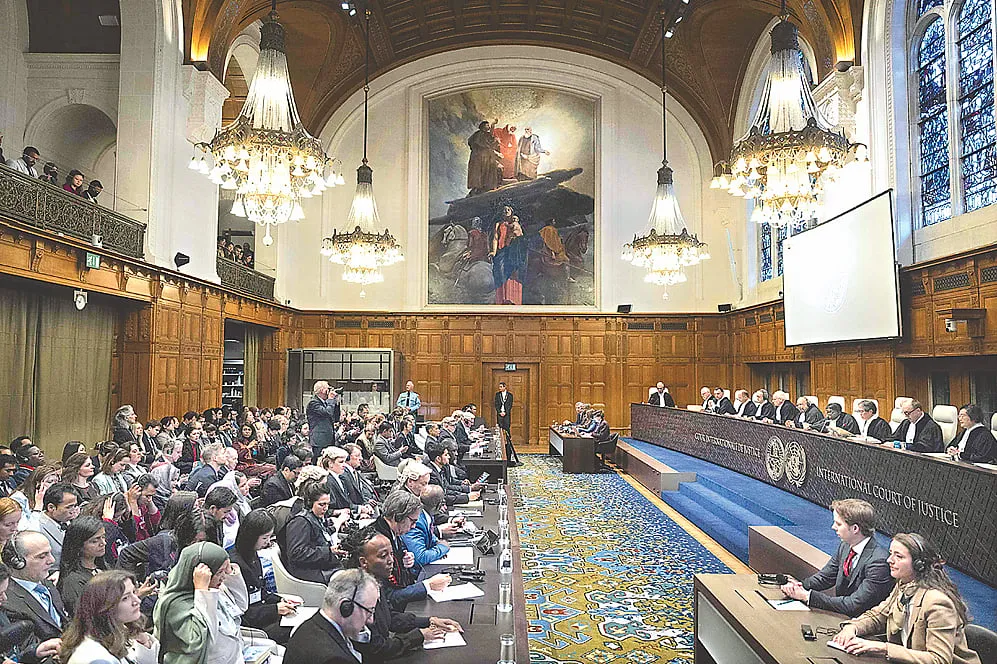
The International Court of Justice (ICJ) delivered a landmark ruling on Thursday, holding Myanmar responsible for genocide committed against the Rohingya population in northern Rakhine State in 2017. The United Nations' highest court stated that Myanmar's security forces intended to destroy a significant portion of the Rohingya population through a military operation codenamed 'Clearance Operation.'
Nine judges voted in favor of the ruling, while six opposed it. The verdict substantiates allegations that Bangladesh and the international community have long made regarding atrocities committed against the Rohingya.
Seven Years of Legal Proceedings
The Gambia filed the case against Myanmar at the ICJ on November 11, 2019. The judicial process concluded after seven years of proceedings.
Rohingya refugees began fleeing to Bangladesh from the night of August 25, 2017, to escape severe persecution by Myanmar's security forces. Over the following months, more than 700,000 Rohingya took shelter in Cox's Bazar, Bangladesh.
A Moral Victory for Bangladesh
The ruling is being described as a moral victory for Bangladesh. It confirms the truth of the genocide allegations that Bangladesh and the international community had been raising for years.
However, there remains skepticism about whether Myanmar's authorities will implement the directives and decisions contained in the full verdict. Nevertheless, analysts maintain that even if implementation proves difficult, the ruling constitutes a significant moral victory.
Most importantly, the verdict creates new responsibilities for the international community regarding the safety and habitation of the Rohingya population. The ruling is expected to play a crucial role in the repatriation process and in establishing the rights of the Rohingya people.