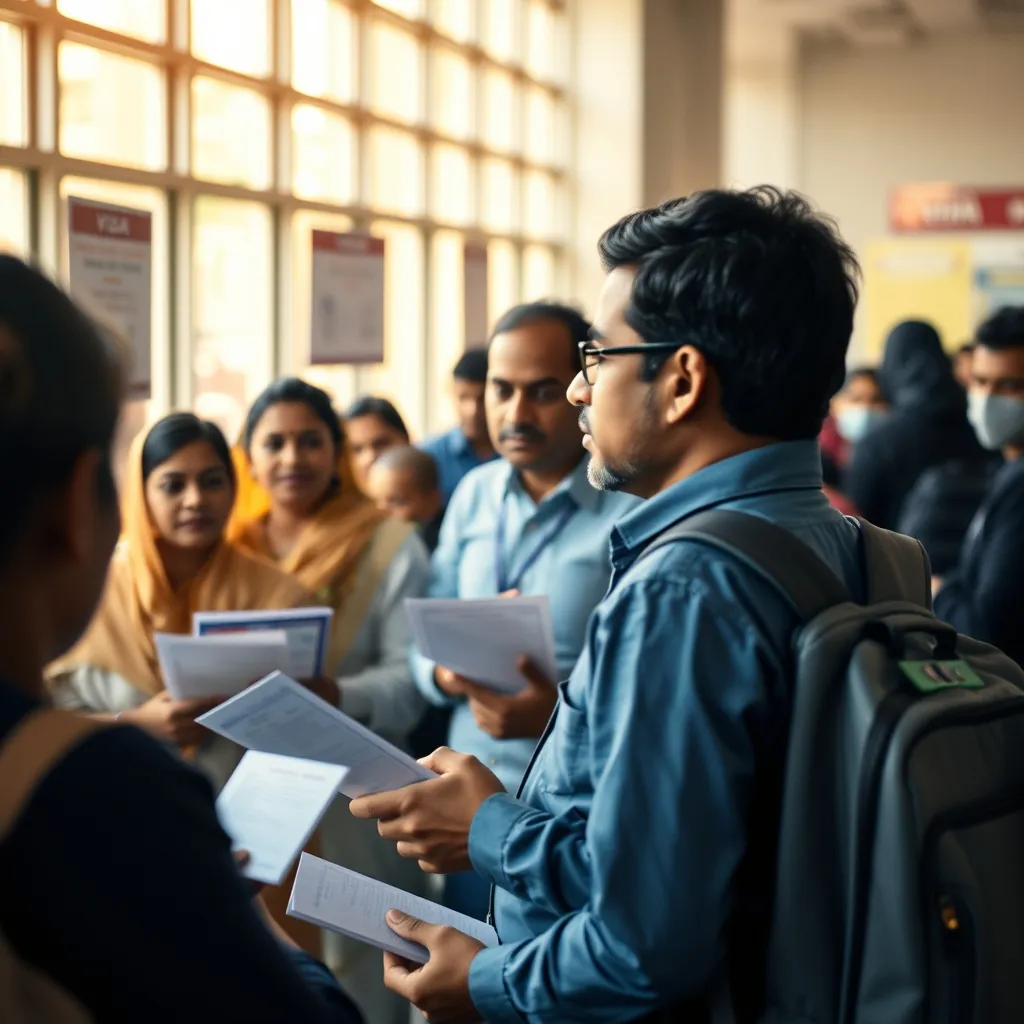
India has announced a significant overhaul of its visitor visa system, introducing 10-year multiple-entry visas aimed at easing travel for foreign nationals. The new policy marks a notable departure from previous regulations, which typically offered shorter validity periods and restricted entry options.
Key features of the new visa policy
According to a report by Samakal, the most significant change in India's new visitor visa policy is the introduction of 10-year multiple-entry visas. Previously, visitor visas were generally valid for five years or less, with a limited number of permitted entries. The new policy removes these restrictions, benefiting tourists, business travelers, and members of the diaspora, including Bangladeshi nationals.
Analysts suggest that the reform reflects India's broader strategy to strengthen its tourism sector and send a positive signal to foreign investors. The extended visa facility is expected to be particularly advantageous for citizens of South Asian countries, given the region's close cultural and economic ties.
Context and implications
The visa reform comes at a time when India is recalibrating its international relations and economic diplomacy. The tourism sector contributes significantly to India's GDP, and the country has been working to revive the industry following the COVID-19 pandemic. The new visa policy is seen as part of those recovery efforts.
However, the positive development has been accompanied by controversies surrounding India's visa practices. New Age reported that India cancelled the visa of a Norwegian journalist who had questioned Prime Minister Narendra Modi. The incident has reignited debates about the transparency and impartiality of India's visa procedures.
Diplomatic backdrop
In a separate development reported by New Age, a senior Bangladeshi diplomat serving in a UN mission has sought leave after being bypassed for promotion. While this incident is unrelated to India's visa overhaul, it has drawn attention to internal dynamics within Bangladesh's foreign ministry.
Experts believe that India's new visa policy will enhance regional connectivity and people-to-people contact across South Asia. However, the visa cancellation cases underscore lingering challenges related to political and journalistic freedoms.
Next steps
The Indian government is expected to release detailed guidelines for the implementation of the new visa policy. Foreign embassies and visa application centers may require time to adopt the revised procedures. Meanwhile, the international community has largely welcomed the reform, though observers are likely to continue monitoring the fairness of visa decisions in practice.