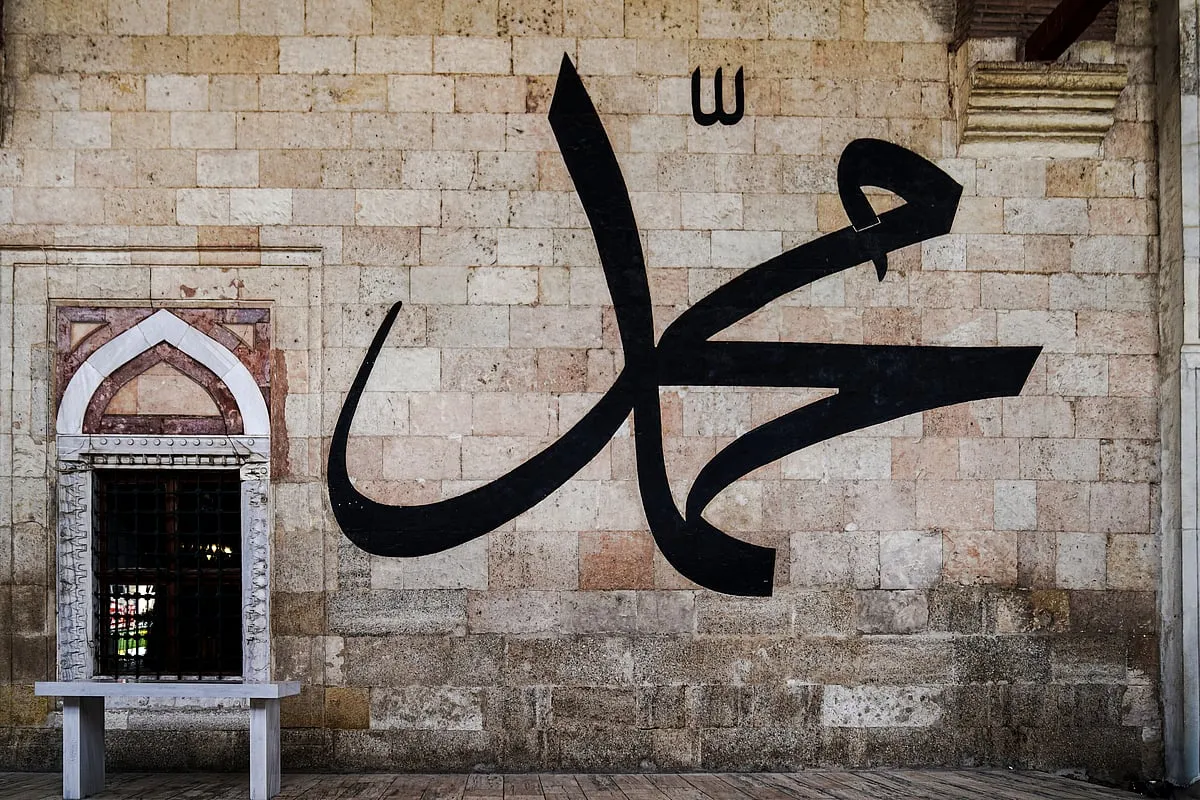
After the Hijrah, when Prophet Muhammad (PBUH) arrived in Madinah, people rushed to catch a glimpse of him. Prominent companion Abdullah ibn Salam (RA) remarked at the time, 'Looking at the Prophet's face, I could tell it was not the face of a liar.'
In his very first address to the people that day, the Prophet spoke of four deeds. He said, 'Spread the greeting of Salam, feed people, maintain ties of kinship, and pray at night while people sleep.' He then gave the glad tidings that these deeds show a person the path to entering Paradise in peace and security. (Sunan al-Tirmidhi, Hadith: 2485)
Spreading the Greeting of Salam
The first of these four deeds is the propagation and spread of Salam. According to Islamic scholars, Salam fosters mutual love and brotherhood within the Muslim community and strengthens social bonds.Feeding People
The second deed is feeding others. The Prophet forbade considering any gift or food as insignificant. He even prohibited disregarding something small received from a neighbor. Providing food to the poor and needy is regarded as a highly significant act of worship in Islam.Maintaining Ties of Kinship
The third instruction is maintaining family relationships. In Islam, preserving good relations with relatives is considered part of faith. Severing family ties is identified as a serious offense under Islamic principles.Night Prayers
The fourth deed is performing prayers while people sleep. Night prayers, or Tahajjud, are described as a means of elevating a believer's status. This act is considered one of the key ways to attain spiritual tranquility and closeness to Allah.According to hadith scholars, by implementing these four deeds, a Muslim can attain peace in this world as well as receive the glad tidings of Paradise in the Hereafter.