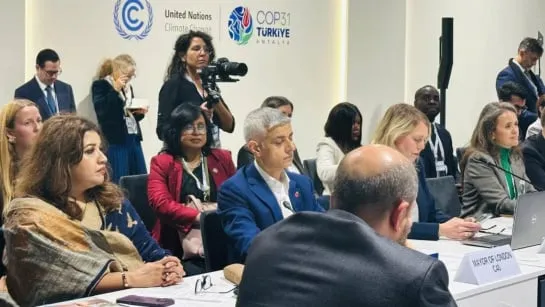
Bangladesh has formally stated at the COP31 climate summit that its annual climate finance needs stand at approximately $11 billion, urging international donors to shift towards grant-based funding and simplify access to existing climate funds. The country's delegation said the current pace and complexity of disbursement are major obstacles to effective disaster response in one of the world's most climate-vulnerable nations.
Call for structural reform in climate funding
During a session on Thursday, the Bangladeshi delegation highlighted that the share of grants in global climate finance remains disproportionately low compared to loans, placing an additional financial burden on developing countries. They called for a streamlined approval process so that funds can reach affected communities without unnecessary delay.Technology and data-sharing for early warning
In a separate discussion on disaster management, Bangladesh's representative Shama Obaid emphasized that modern technology, adequate financing, and regional data-sharing are vital to strengthening early warning systems for cyclones and floods. "..." Shama Obaid, representative, told Prothom Alo.She added that beyond building domestic capacity, faster technology transfer from developed nations and closer cooperation with neighboring countries are essential. Financial and technical support from wealthier states is critical in this regard, she noted.
Context
Bangladesh is ranked among the countries most affected by climate-induced disasters, including cyclones, flash floods, and river erosion. Experts say that reliable and rapid financing is the key challenge to implementing long-term adaptation plans.The country's stance at COP31 underscores a growing demand from vulnerable nations for a fundamental overhaul of global climate fund management. The delegation expressed hope that the summit's final outcome will reflect these urgent priorities.