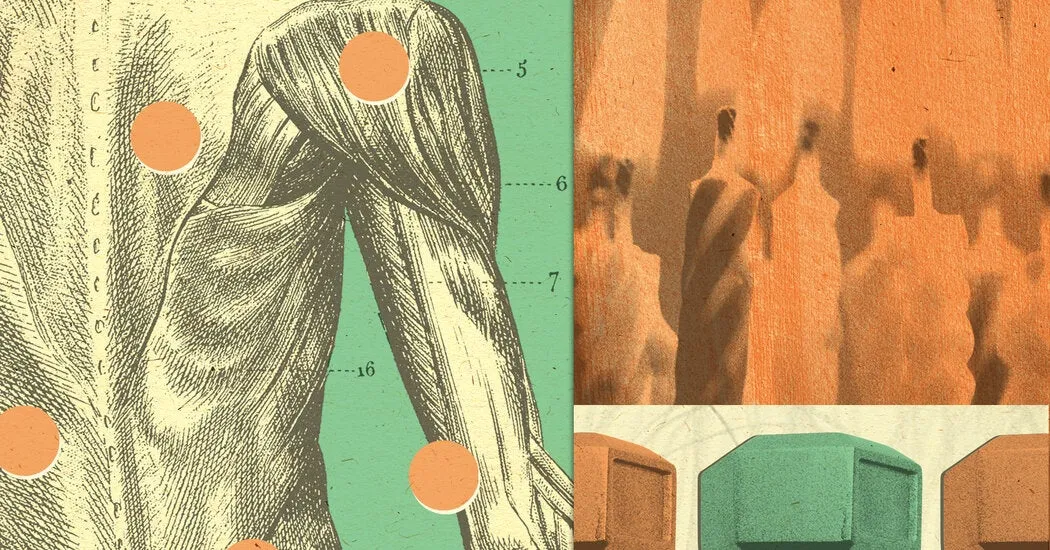
Maintaining overall health and achieving longevity requires more than just walking or general exercise; it demands specific attention to certain muscle groups. A recent report highlights the five most critical muscles that require care to ensure a long and healthy life.
Why Muscle Care Matters
As we age, muscle mass and strength naturally diminish, a process medically known as sarcopenia. Weak muscles increase pressure on bones, impair balance, and raise the risk of falls and injuries. This leads to reduced physical activity, directly impacting the quality of life and lifespan.The Five Essential Muscles
The report identifies five key muscles or muscle groups that are particularly vital to keep active and strong. These include the quadriceps (front thigh muscles), hamstrings (back thigh muscles), glutes (buttock muscles), the deep core muscles of the abdomen, and the upper back muscles.These muscles are the primary drivers of balance, posture, and mobility. When strong, they reduce stress on the knees and spine, helping to prevent conditions like arthritis or osteoarthritis. Additionally, a robust core protects the spine and lowers the risk of back pain.
Recommendations for Staying Active
Experts advise that regular physical activity is non-negotiable for maintaining these muscles. Simple exercises like brisk walking, climbing stairs, squats, or bridges are effective in keeping them engaged. For those with sedentary jobs, taking short breaks to walk or stretch every hour is recommended.Exercise alone is not sufficient; a diet rich in protein is also crucial for muscle care. Foods like eggs, fish, milk, lentils, and nuts aid in muscle building. As age advances, both nutrition and exercise become equally important for muscle maintenance, according to specialists.