After the SAFF Championship final, the coaches of India and Pakistan said including diaspora footballers can strengthen a team, but it is not the only path to development. They also emphasized nurturing local talent and creating regular competitive opportunities.
18 November 2026, 3:02 AM
|
2 min read
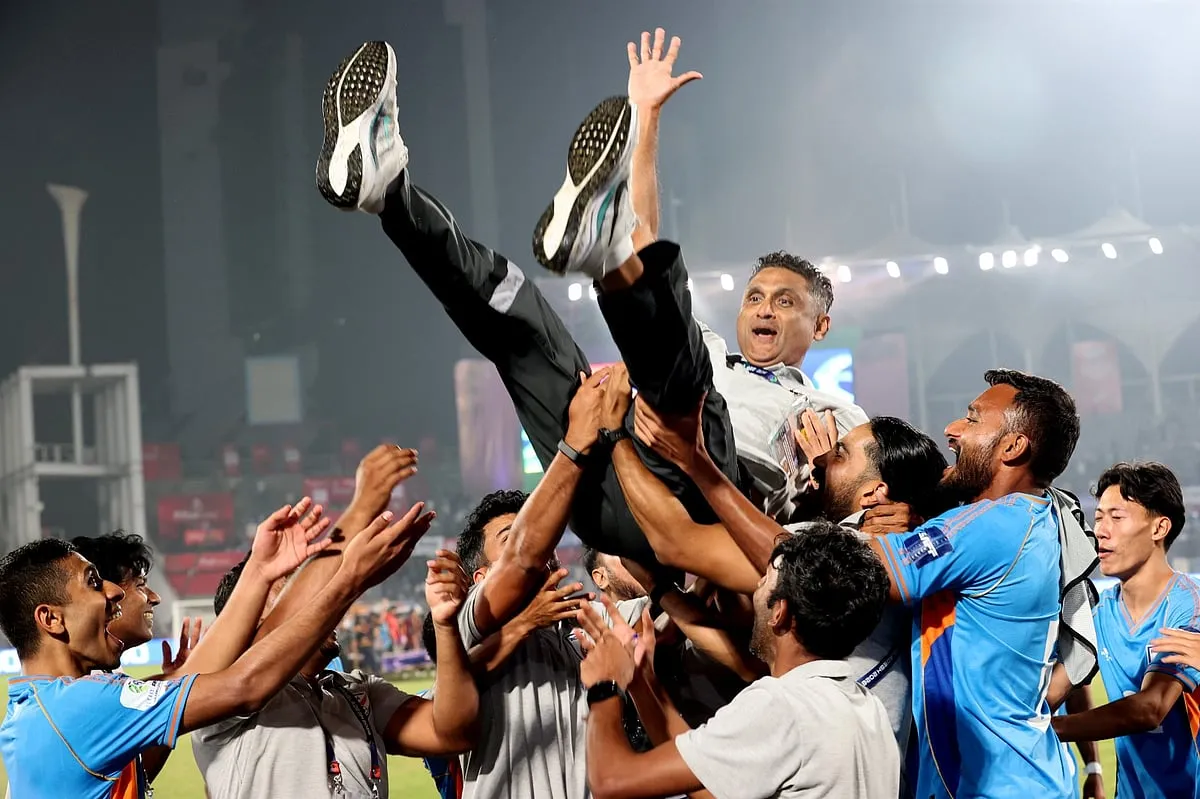
India defeated Pakistan 2-1 in the final of the SAFF Championship at the National Stadium in Dhaka to clinch their tenth title. Following the match, the coaches of both teams offered significant insights into the development of South Asian football, presenting differing yet complementary views on the inclusion of diaspora players.
The Diaspora Debate
India's coach, Naushad Moosa, stated that there is no issue with including diaspora footballers who have roots in the country and perform well. He believes this can strengthen the national team. However, he also stressed the importance of developing local players.
In contrast, Pakistan's coach, Norbeto Solano, argued that building a national team by bringing in 15-20 diaspora players cannot be the only solution. He emphasized that equal importance must be given to the development of local football. Solano called for creating regular competitive opportunities and nurturing the talent of domestic players.
The Final Match
India won the title with a squad composed of their under-23 players. Pakistan, on the other hand, reached the final after a long gap but missed the opportunity to win the championship for the first time. The coaches' remarks have raised a crucial question for the future of South Asian football: is strengthening the domestic structure the real answer, rather than relying solely on diaspora players?
Diverging Perspectives
While Moosa views the inclusion of diaspora players positively, Solano insists it is not an alternative. Solano's statement makes it clear that beyond building relationships with the diaspora, they must also be made partners in development. These two viewpoints carry a significant message for football policymakers across South Asia.